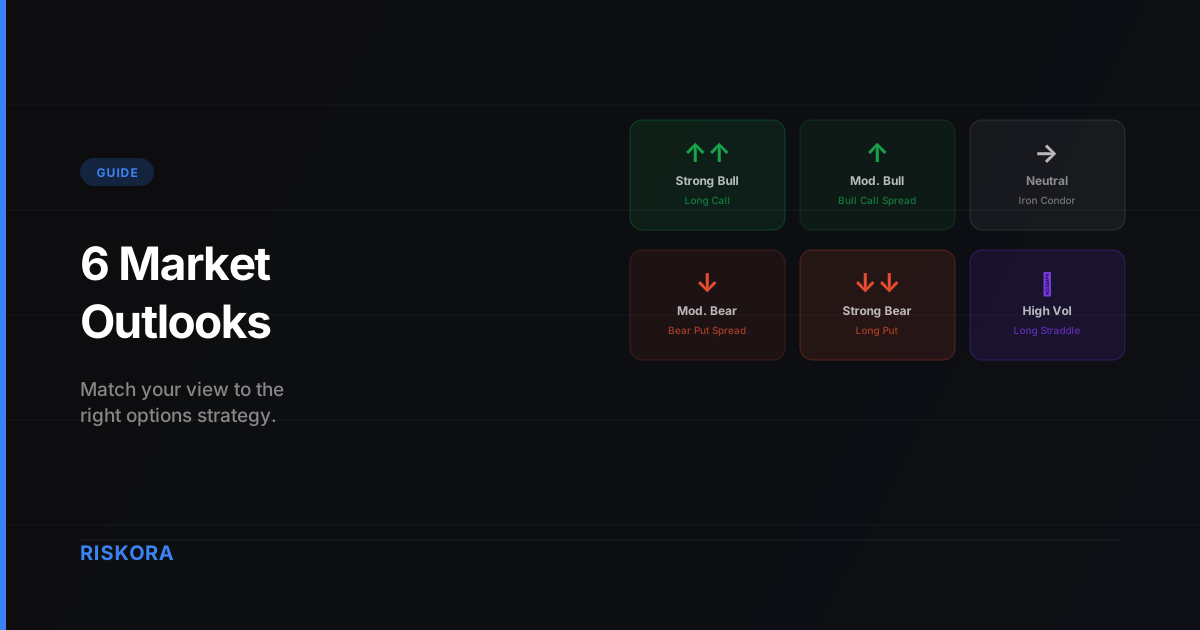
6 Market Outlooks and the Options Strategies That Match Them
Strongly bullish? Expecting high volatility? Neutral? There's a strategy built for each scenario. Here's how to match your view to the right trade.
The single biggest mistake new options traders make is picking a strategy first, then trying to make it fit their view. It should be the other way around.
Start with your market outlook. The strategy follows from it.
Here are the six core outlooks — and the strategies that match each one.
1. Strongly Bullish
View: You expect a significant, fast move upward.
Best strategies:
- Long call — Full exposure to the upside. Defined risk (premium only), unlimited profit potential.
- Deep ITM call — Acts like owning stock but with much less capital at risk.
Avoid: Bull call spread (caps your upside when you want full participation).
2. Moderately Bullish
View: You expect a modest move up, not a rocket.
Best strategies:
- Bull call spread — Reduced cost, capped upside. Ideal when you have a price target.
- Short put — Collect premium if the stock stays flat or rises. Works if you'd be happy owning the stock at the short put's strike.
Key metric: Set your upper strike at your price target. The stock doesn't need to go further for you to achieve max profit.
3. Neutral (Low Volatility Expected)
View: You expect the stock to stay within a range.
Best strategies:
- Iron condor — Sell an OTM call spread and an OTM put spread. Profit if the stock stays between your short strikes.
- Short straddle / strangle — Collect premium from both sides, profit if the stock barely moves. Higher risk than condors.
- Calendar spread — Sell short-dated options, buy longer-dated. Benefits from time decay and stable price.
Key risk: A sudden big move in either direction is your enemy.
4. Moderately Bearish
View: You expect a measured move down.
Best strategies:
- Bear put spread — Buy a put, sell a lower put. Defined risk, lower cost than a naked put.
- Short call — Collect premium if the stock stays flat or falls. Risky if the stock rallies.
Key metric: Your lower strike is your profit target. The stock doesn't need to collapse, just reach your target.
5. Strongly Bearish
View: You expect a significant, fast move downward.
Best strategies:
- Long put — Full participation in the downside. Defined risk, significant profit if the stock drops hard.
- Deep ITM put — Behaves almost like a short stock position with defined risk.
Avoid: Bear put spread (caps your profit when you want full downside exposure).
6. High Volatility Expected (Direction Unknown)
View: Something big is about to happen — earnings, FDA approval, macro event — but you don't know which way.
Best strategies:
- Long straddle — Buy a call and put at the same strike. Profit from a big move in either direction.
- Long strangle — Buy an OTM call and OTM put. Cheaper than a straddle, but requires a bigger move to profit.
Key risk: If the anticipated event passes with a muted reaction, time decay destroys both options fast.
Matching the Framework
| Outlook | Primary Strategy | Alternative |
|---|---|---|
| Strongly bullish | Long call | Deep ITM call |
| Moderately bullish | Bull call spread | Short put |
| Neutral / low vol | Iron condor | Short strangle |
| Moderately bearish | Bear put spread | Short call |
| Strongly bearish | Long put | Deep ITM put |
| High volatility | Long straddle | Long strangle |
OptionBrain's Strategy Explorer lets you select your outlook directly and instantly see the three best-matching strategies with payoff diagrams and full risk metrics. No guessing which strategy fits — the tool does it for you.
More Posts
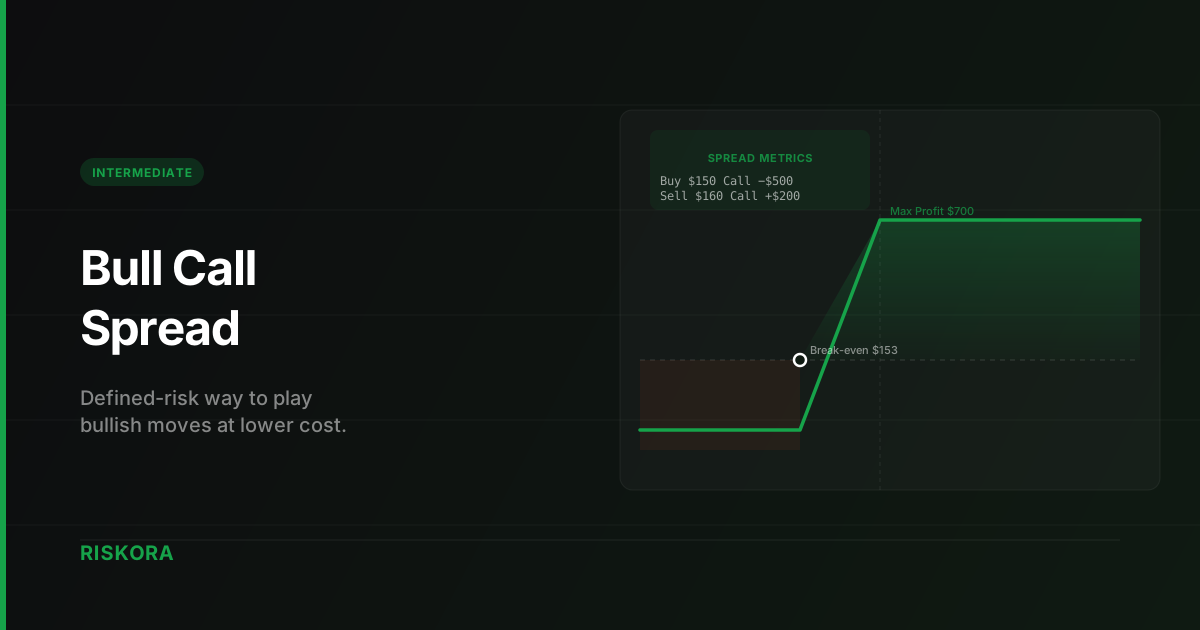
Bull Call Spread: A Defined-Risk Way to Play Bullish Moves
A bull call spread caps both your profit and your loss — making it ideal when you're moderately bullish but want to reduce the cost of entry.

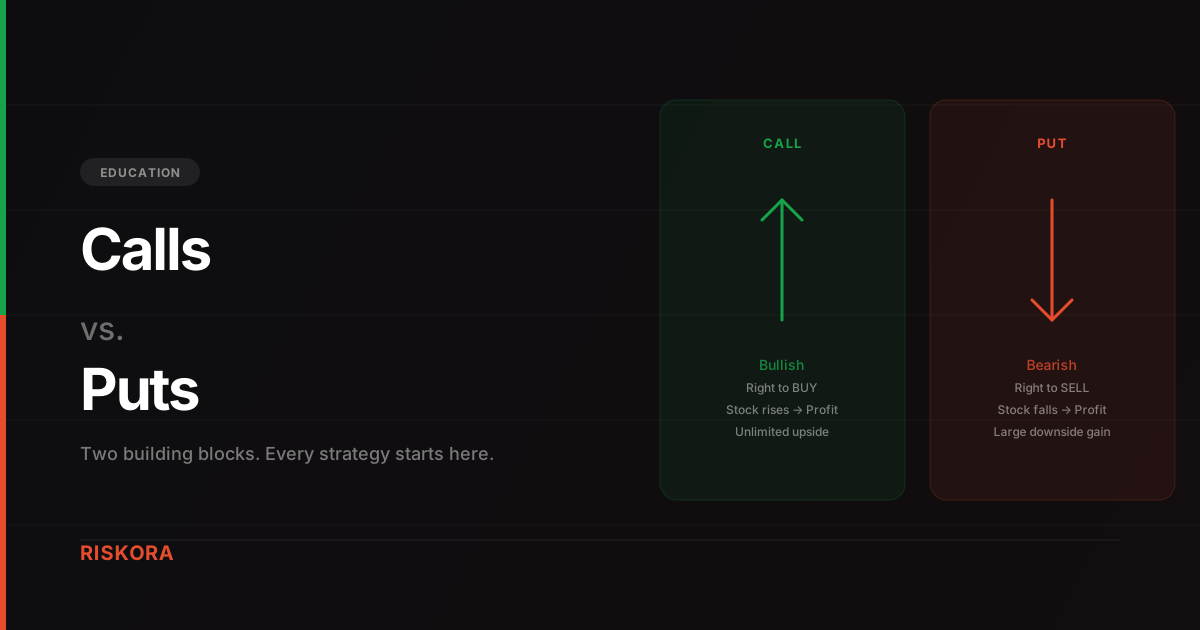
Calls vs. Puts: The Two Building Blocks of Options Trading
Every options strategy is built from just two components: calls and puts. Master the difference and you hold the foundation of all options knowledge.
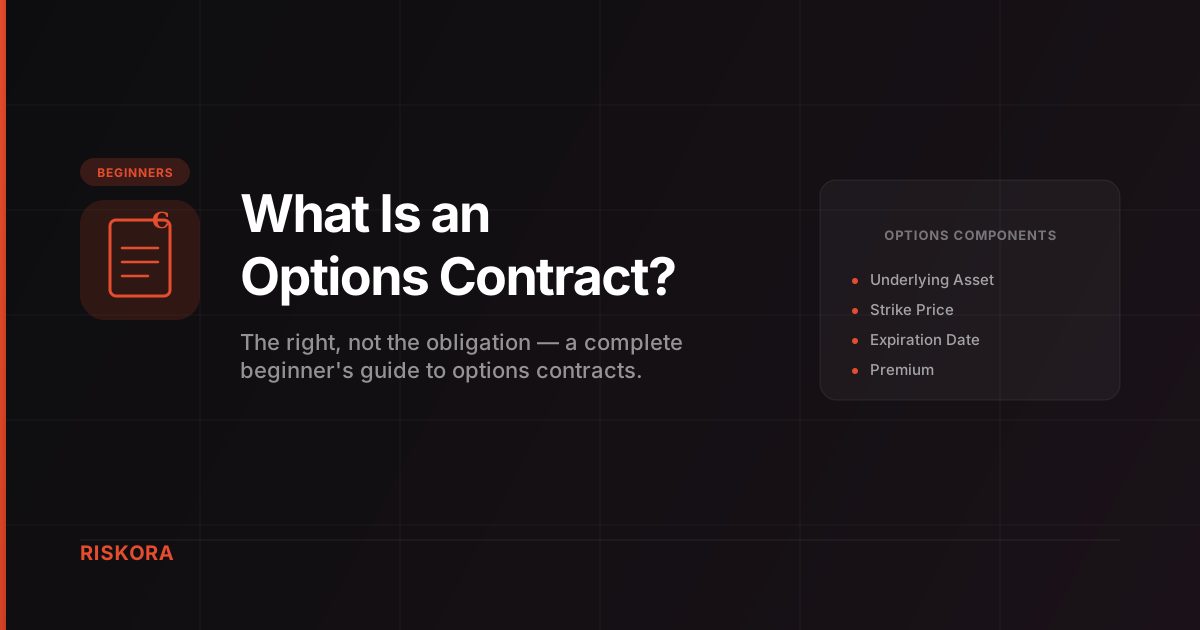
What Is an Options Contract? A Beginner's Complete Guide
Options give you the right — not the obligation — to buy or sell stock. Here's everything you need to know before placing your first trade.
Newsletter
Join the community
Subscribe to our newsletter for the latest news and updates